[ENCRYPTED REPORT: SIPHONED TRUTH]
I. PUBLIC NARRATIVE
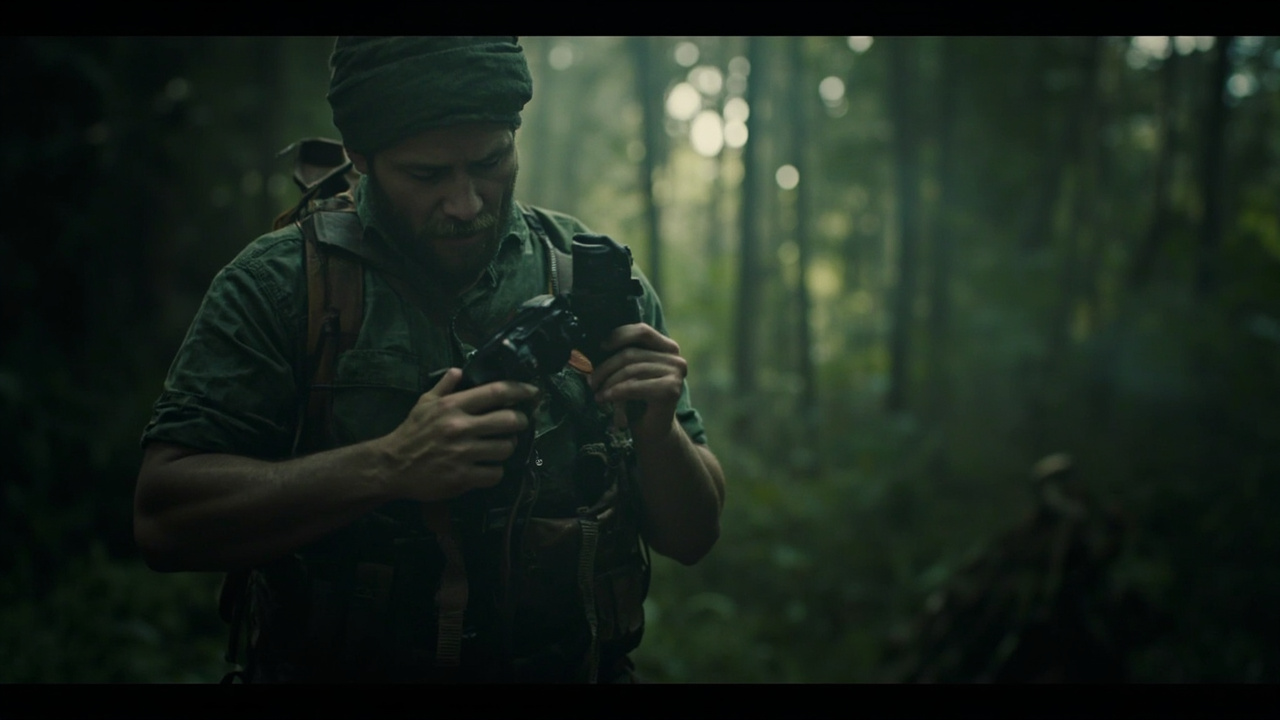
On May 2, 2026, MrBeast released a video titled something like 'I Stranded 100 People in the Wilderness for $250K.' The premise is exactly what it sounds like: one hundred contestants, one remote location, a quarter-million-dollar prize, and whatever the wilderness decides to throw at them. If you've spent any time in the Battle Royale genre — Fortnite, Rust, The Hunger Games — the setup is immediately familiar. What's new is the scale, the realness, and the particular brand of American optimism that MrBeast brings to the format.
II. TELEMETRY FEED
- Video released May 2, 2026 on MrBeast's main YouTube channel
- 100 contestants — roughly triple the typical reality TV cast size (30-50 is standard for competition formats)
- $250,000 prize pool — winner takes all, no team shares
- Format: last person remaining wins; contestants eliminated when they tap out or meet other exit conditions
- Pre-challenge backgrounds: mix of influencers, survival enthusiasts, and completely untrained participants
- Location: remote wilderness (specific coordinates not disclosed by production)
- Safety protocols: undisclosed — the research note flags this as a danger flag given zero-training participants
- The 100-person format is the structural hook — scale is the entire differentiator from previous survival shows
III. ADVERSARIAL ANALYSIS
The Battle Royale genre has spent fifteen years training an entire generation of viewers to understand a specific set of survival mechanics: resource scarcity, alliance formation, betrayal timing, and the math of when to fight versus when to run. MrBeast is not inventing these dynamics — he's collapsing the distance between watching them and witnessing them in real people who signed up for a YouTube video. The scale question is the most structurally interesting part. Thirty contestants is a manageable viewing experience — you can track alliances, remember faces, have a rooting interest. One hundred is a different cognitive load entirely. The research notes five distinct comparison angles, and they all trace back to this: what changes when the group is too large to fully track? The answer is: everything. When there are 100 people, most viewers can't track individual contestants, so the engagement model shifts from protagonist-driven (who do I identify with?) to collective-driven (which group am I rooting for?). This is the same mechanic that makes spectator sports engaging — you're not following one player, you're following a side. The format becomes closer to a sports event than a narrative. The $250K math is where the production economics get interesting. At 100 contestants with a single winner, the per-person expected value is $2,500 before any production costs are factored in. For MrBeast's production team, the cost of filming 100 people in a remote location is substantially higher than 30 — but so is the ceiling on views. '100 people in the wilderness' is a title that demands a click in a way '30 people in the wilderness' simply doesn't. The production bet is that the marginal cost of 70 additional contestants is less than the marginal increase in click-through rate from a more extreme premise. The ethical framing is the piece the research correctly flags. Stranding untrained people in remote wilderness for content is different from stranding professionals. The consent structure exists — contestants signed up — but the asymmetry between what contestants understand they're agreeing to and what actually happens in a wilderness emergency is not trivial. This is the line that separates Survivor from something that has no professional safety infrastructure. The research note flags participant safety and the potential for age-restriction as real concerns, not theoretical ones. What the format produces that game-based survival content can't: real fear. When someone on a game stream dies, they respawn. When someone in a real wilderness situation taps out, they were genuinely uncomfortable, scared, or in genuine physical risk. The production gets to harvest that emotional authenticity without having to manufacture it. That's the trade MrBeast is making with every contestant who agrees to stand in a remote location hoping other people quit first.
IV. THE VERDICT
[SIPHONED VERDICT]: What the format produces that game-based survival content can't: real fear. When someone on a game stream dies, they respawn. When someone in a real wilderness situation taps out, they were genuinely
V. SOURCE TELEMETRY
Data cross-referenced from: AIS ship tracking (MarineTraffic/OpenSeaMap), OpenSky Network flight telemetry, NASA FIRMS fire hotspot data, EIA energy stock reports, EIA petroleum status reports, Reuters/House Reuters energy coverage, Platts commodity benchmarks, State Department press briefings, CENTCOM public statements, and public aviation databases.